
Somatic Psychotherapy
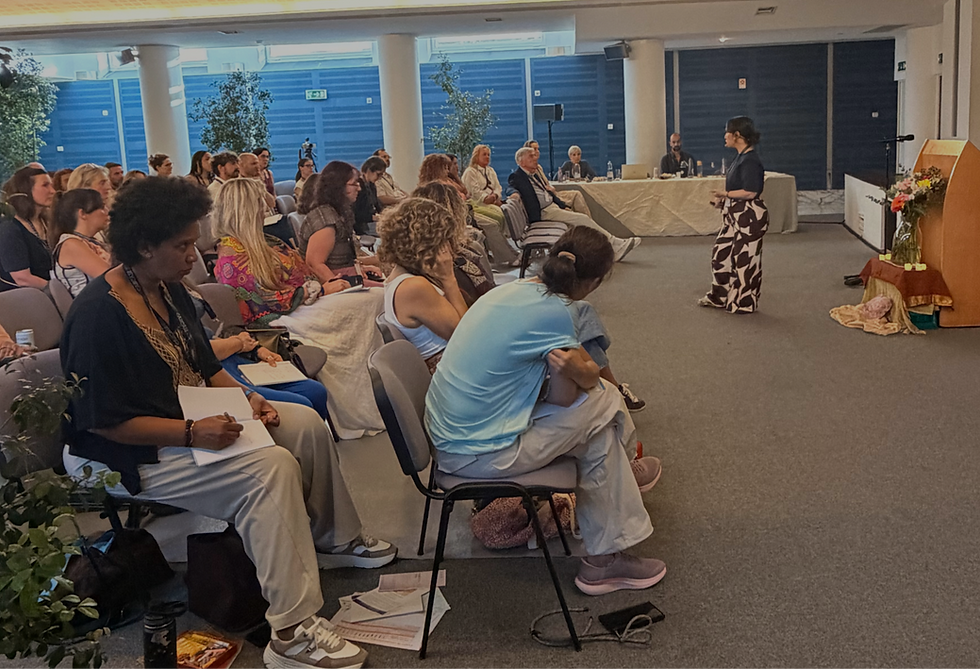
practitioners · supervision
Refining the instrument.
A space for therapists and practitioners to refine their clinical presence, deepen embodied perception, and explore the complexity of the work they hold.
About the work
Supervision is more than case discussion. It is a living practice of the same principles that shape therapeutic change.
In somatic work, the practitioner is never outside the process. Your body, your perception, and your presence participate in the therapeutic field whether you are aware of it or not.
Supervision becomes a place to refine that instrument—not only through reflection, but through embodied experience. Together, we explore how your clinical understanding, embodied sensing, and therapeutic relationship come together in practice.
This is a place to pause. To sense more deeply into your work. To bring what feels complex, what feels uncertain, what feels alive—and explore it together.
You hold space for others with care and skill. You also need a place where your own work can be held with the same depth.
Container structure
Investment
A minimum 4-month process. Choose the rhythm that fits your life.
What we may explore
-
Clinical cases and therapeutic decision-making.
-
Educational supervision and integrating theory into clinical practice.
-
Somatic and developmental formulation.
-
The body's participation in the therapeutic field.
-
Transference, countertransference, and relational dynamics.
-
Embodied perception as a clinical resource.
-
Working with complexity, uncertainty, and therapeutic impasses.
-
Expanding the capacity to remain present with what emerges.
-
Educational supervision, including support with integrating Bodynamic theory and the development of the final thesis.

Who is it for
This supervision is open to practitioners working with human development, healing, and relational change.
Including:
-
Bodynamic students seeking educational supervision throughout their training and thesis process.
-
Psychotherapists and psychologists
-
Somatic therapists
-
Bodyworkers, osteopaths, and physiotherapists
-
Trauma-informed practitioners
-
Coaches and facilitators
It is particularly valuable for practitioners who wish to deepen their capacity to work with the body, emotion, and relational dynamics—and who recognise that their own embodied presence is one of their most important clinical instruments.
For Bodynamic students, educational supervision also offers a space to integrate the richness of the Bodynamic system into your own way of practising. Writing the final thesis is far more than completing a requirement. It is often the place where years of learning begin to come together, where different aspects of the model become a coherent way of seeing, and where your own voice as a therapist begins to emerge.
Having experienced that process myself, supporting students through this stage has become one of the aspects of supervision I most enjoy.

Supervision with Dana
Dana is a Certified Educational Supervisor with Bodynamic International, one of the world's leading trainings in somatic developmental psychology.
Her supervision is informed by more than a decade of international clinical practice, integrating developmental psychology, body-oriented psychotherapy, fascia and structural work, attachment theory, movement, and contemporary trauma research—not as separate disciplines, but as complementary ways of understanding how human experience becomes organised in the body.
Rather than offering fixed answers or techniques, Dana supports practitioners in refining their own clinical perception, strengthening embodied presence, and developing greater confidence in working with complexity.
The intention is not only to understand the work more deeply—but to become a more responsive instrument within it.
